
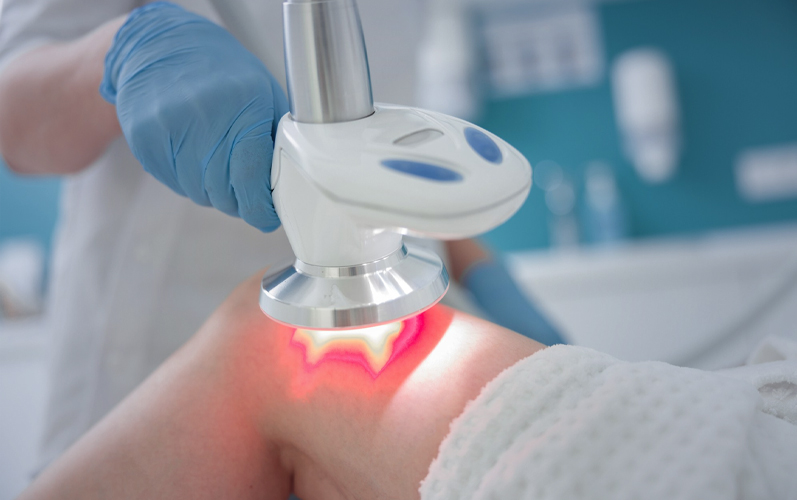
Inflammation can cause muscle soreness and pain in the knee or joints. Unbearable pain, swelling, and stiffness are some of its common symptoms. Clinically, when protective cartilage in the joints wears away and the space between bones narrows, these issues occur. Cold Laser therapy, handled by pain experts, can reduce inflammation. Many patients have also felt relief from chronic pain diseases like Osteoarthritis. It can heal wounds by improving blood circulation and tissue regeneration.
According to the WHO Global Osteoarthritis Report (2023), almost 528 million people in the world have OA.
Emerging as one of the most common joint issues, it affects a person’s mobility. In fact, in extreme cases, OA can lead to complete disability.
Lifestyle management, medication, and both surgical and non-surgical treatments are available to treat Osteoarthritis. Low-Level Laser Therapy/LLLT Treatment is one of the most prominent options.
The expert will apply controlled cold laser rays from a handheld device directly on the affected areas. The laser energy will go directly to the cells and improve ATP production. It reduces inflammation, repairs the tissues, and relieves pain.
As a trusted clinic specializing in laser treatment for Osteoarthritis in Toronto, we’d like to share some of our real, first-hand experiences with you.
So, continue reading the blog!
Key takeaway
- Low-Level Laser Therapy (LLLT) uses gentle laser rays that work on the soft tissues and manage the discomfort.
- Cold Laser therapy reduces inflammation, improves blood flow, and boosts the body’s natural healing power.
- While LLLT doesn’t cure OA, it can ease pain, improve joint mobility, and reduce the symptoms.
- When Cold laser therapy is combined with other therapies and healthy habits, the relief sustains
- A proper assessment and personalized treatment plan can help you get the best long-term results.
How LLLT Helps Manage Osteoarthritis Symptoms?
| Osteoarthritis Symptom | How LLLT Works | Benefit for Patients |
|---|---|---|
| Chronic joint pain | Stimulates ATP production and reduces nerve sensitivity | Noticeable pain relief without medication |
| Inflammation & swelling | Improves blood circulation and reduces inflammatory markers | Less swelling and faster healing response |
| Joint stiffness | Enhances cellular repair and tissue regeneration | Improved flexibility and smoother movement |
| Reduced mobility | Supports soft tissue healing and muscle function | Easier walking, bending, and daily activities |
| Muscle fatigue | Boosts cellular energy and oxygen supply | Increased endurance and reduced fatigue |
How Does LLLT Treatment Work on Osteoarthritis Symptoms?
LLLT treatment uses cold laser therapy. Professionals apply light of a specific wavelength within a controlled limit. This process is scientifically called photobiomodulation (PBM).
Near-infrared light will penetrate through the skin and reach the cells. It boosts energy, or ATP production, and repairs the tissue.
The whole process improves blood flow and stimulates the body’s healing power. Over time, low‑level laser therapy for arthritis pain reduces the inflammation, swelling, and pain.
This is how most pain relief clinics apply cold laser therapy. A study found that LLLT treatment can improve blood circulation. Repair cell membranes and reduce the signs of inflammation. Hence, it can be effective in reducing pain.
So, yes, even if it does not treat the root cause of Osteoarthritis, it can relieve the symptoms. Especially, the pain and muscle stiffness from working on the soft tissues.
Clinical Application and Benefits of LLLT Treatments for Osteoarthritis
Safely and Effectively Reduce Chronic Pain
Low-Level-laser therapy is a very safe treatment option. It works at a low intensity, varying between a few watts only. As the wavelength is used under controlled parameters, there will be no threat of harm.
Our licensed expert at FROM Toronto Pin Relief Clinic mostly uses laser therapy to treat various types of osteoarthritis, be it rheumatoid arthritis, gout, or psoriatic arthritis.
We target soft tissue treatment using LLLT. Immediately reduces the sharp pain sensation in the joint.
Once our patients feel comfortable and have no or less pain. We add conventional exercises. Use education on a diet plan and work on muscle strength. However, we always stick to the strict protocol or the suggested standard.
Improve Joint Mobility
Cold laser therapy can improve muscle mobility. It has a very impactful clinical application on joints and soft tissues. When we apply this, we mainly target areas like the knee joints and tendons.
With controlled use, this can also be useful for rotator cuff issues and stiffness.
For plantar fasciitis and tendon-related pain or lower or upper neck issues, a cold laser can be impactful. It directly works on the cells and improves joint function.
It reduces muscle fatigue, and in fact, many of our patients even get more benefits from it. Enjoy more freedom of movement, regain an active life, and pursue hobbies.
However, we also recommend exercising and improving daily habits for weight management in our comprehensive treatment plan. This education, with low laser treatment, actually improves the effects.
Improve the Impact of Other Therapies
According to PubMed research on Low Laser Therapy Benefits Nonpharmacological Pain Control in Chronic Pain and Osteoarthritis “the utilization of LLLT for pain management and osteoarthritic conditions may be a complementary strategy used in clinical practice to provide symptom management for patients suffering from osteoarthritis and chronic pain.”
In many of the osteoarthritic cases, we use cold laser therapy in Toronto as a supportive treatment. As our services bring a range of non-invasive treatments, we combine low-level laser therapy with other pain rehabilitation plans.
We combine physiotherapy techniques and exercises. We apply hands-on therapy and therapeutic massage. Provide supportive devices like custom braces, especially for plantar fasciitis.
Where Do You Get Treatment?
You can get cold laser therapy at physical therapy clinics, chiropractic offices, and pain management clinics. Some sports medicine and rehabilitation centers also offer this treatment.
Look for a provider trained in low-level laser therapy (LLLT).
Before starting, ask about the device, treatment plan, and number of sessions you may need.
A qualified provider can also assess whether cold laser therapy is suitable for your condition.
If you are in Toronto, you can contact a local pain relief clinic just like our FROM clinic. We offer a range of invasive treatments for managing physical pain. Even beyond that, we provide therapy to improve mental health as a holistic approach, as people go through mental trauma as well after an accident or while dealing with physical pain. To learn more about your treatment options, contact our team!
Is There Any Risk of Laser Therapy?
Laser therapy done by a trained professional is safe and gentle. However, we always recommend making informed choices, especially when it's about your health.
While LLLT treatment has lots of benefits, there are potential risks too.
Any kind of laser rays is not safe to use in areas suspected of cancer. Do not use rays in sensitive areas like around the eyes and thyroid glands. We also prohibit the use of cold laser therapy for pregnant women.
People who have highly sensitive skin need to take extra care. Even Low-Level Laser Therapy/LLLT affects.
At our F.R.O.M pain relief clinic in Toronto, we provide care after a thorough assessment. We understand the symptoms, evaluate your medical reports, and in many cases, we ask for a clinical reference.
So, are there any possible side effects of laser therapy? Yes. You can have a tingling sensation in the area. Redness, rushing, mild pain, or burning sensations are minor effects that can last for 24 to 48 hours after the treatment.
Bottom Line
Cold laser therapy can be a simple and gentle way to manage pain from osteoarthritis. It helps reduce inflammation, ease discomfort, and improve joint movement without the need for medication or invasive treatments.
While it may not cure the condition, it can make daily activities easier and more comfortable. For many people, the best results come when it is used along with other treatments like exercise or physiotherapy.
In the end, a proper assessment and a personalized plan can help you get the most benefit from this therapy.
Are your joint mobility issues pausing your daily life? Looking for a customized treatment plan to live a better life with OA? We can help if you are looking for a premier option for cold laser therapy near me in the GTA.
Schedule a free consultation now! This will help you understand if this approach suits you.
