
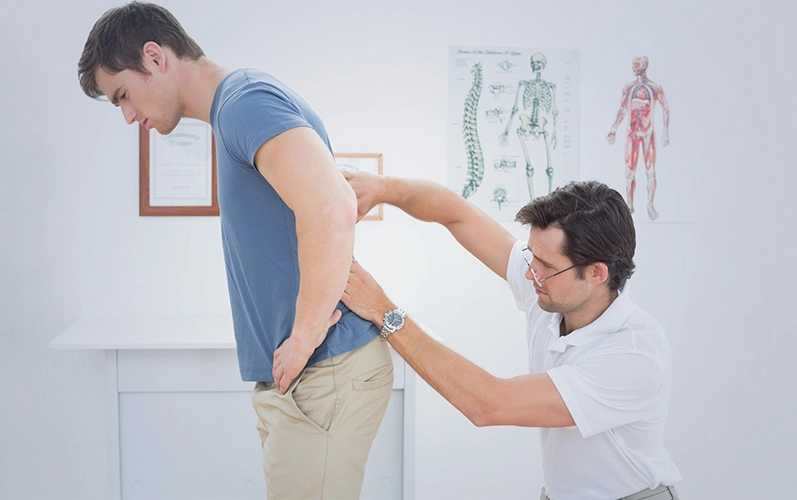
Stage 4 sciatica is the last stage of sciatica. 1 % to 5% of people globally suffer from sciatica pain. Most people experience mild to moderate lower back pain as a symptom. However, people in stage 4 sciatica may get severe and consistent pain. It only gets worse as it moves from back, lower back to but lock down to one leg.
Unlike stage one or two, sciatica gives intense discomfort besides a nerve sensation. Many people can also feel muscle weakness, numbness in the saddle area, or difficulty maintaining balance during movement.
So, if you have such symptoms, contact sciatica treatment near you in Toronto. You need immediate medical support.
And if you are looking for treatment options for sciatica, keep reading the blog for more insights!
Key Takeaways
- Severe sciatica can cause more than back pain, with symptoms such as persistent leg pain, numbness, tingling, muscle weakness, and difficulty moving normally.
- Treatment depends on the cause and severity of your symptoms and may include physical rehabilitation, medication, minimally invasive procedures, or surgery in selected cases.
- Don’t ignore worsening neurological symptoms. If you develop significant weakness, saddle-area numbness, or loss of bladder or bowel control, seek immediate medical attention.
What Does Stage 4 Sciatica Mean?
Sciatica has 4 stages. So, stage 4 sciatica is the last or advanced stage of sciatica. People experience more severe and consistent pain. They also get some serious neurological symptoms. Many people don’t even move properly.
How Do Sciatica Symptoms Progress?
Stage 1: Occasional Discomfort
A mild ache or pulling sensation comes in the lower back, buttock, or upper leg. Pain occurs during activities involving the back, like sitting or bending. Symptoms come occasionally. It often improves with rest or changing position.
Stage 2: More Frequent Pain
Pain sharply increases. The sensation travels from the lower back or buttock into the thigh and leg. Mild tingling or mild numbness can also affect the leg. Symptoms stay for a week.
Stage 3: Persistent Sciatic Pain
Pain can increase in severity. It radiates further down the leg, sometimes reaching the calf and foot. Numbness and tingling, as well as weakness, may also be present. Symptoms may happen every day and worsen over time.
Stage 4: Severe Neurological Symptoms
This is the last stage of sciatica. People experience the most severe pain or even the most prominent symptoms. The symptoms include constant or intense leg pain along with significant numbness or muscle weakness.
| Topic | Key Information |
|---|---|
| Early Sciatica Symptoms | Mild or occasional pain may begin in the lower back, buttock, or upper leg and may improve with rest or a change in position. |
| More Frequent Symptoms | Pain may become sharper and travel from the lower back or buttock into the thigh and leg, sometimes with tingling or numbness. |
| Persistent Sciatica | Pain may extend farther down the leg toward the calf or foot, with possible numbness, tingling, or weakness. |
| Severe Symptoms | Severe cases may involve intense leg pain, significant numbness, or muscle weakness that affects movement and daily activities. |
| Common Causes | Possible causes include herniated discs, bone spurs, spondylolisthesis, spinal injuries, piriformis syndrome, and certain spinal tumors or infections. |
| Medication | Depending on the condition, treatment may include prescribed pain medication, muscle relaxants, nerve-pain medication, or corticosteroids under medical supervision. |
| Interventional Procedures | Some patients may be considered for epidural steroid injections, nerve blocks, or other minimally invasive procedures when appropriate. |
| Surgical Treatment | In selected severe cases, procedures such as microdiscectomy, laminectomy, spinal fusion, or artificial disc replacement may be considered. |
| Physical Rehabilitation | Physiotherapy may focus on gentle movement, strengthening, mobility exercises, and proper body mechanics to improve function and support recovery. |
| When to Seek Urgent Help | Saddle-area numbness, loss of bladder or bowel control, or significant or worsening weakness requires immediate medical attention. |
What Causes Sciatica?
At our F.R.O.M Toronto pain relief clinic, we have handled various cases of sciatica. After thoroughly assessing many cases, here is our take on the most common reasons of sciatica:
- Herniated Spinal Stenosis: A large disc herniation’s outer layer pushes the sciatic nerve.
- Bone Spurs: Extra bone growth caused by osteoarthritis can narrow the space around spinal nerves.
- Spondylolisthesis: One vertebra slips forward over another, potentially narrowing the nerve opening.
- Spinal Injury: Spinal injury from a fracture, fall, road accident, or other trauma may injure or compress the nerve.
- Piriformis Syndrome: During the advanced sciatica stage, the piriformis muscle compresses the root nerve.
- Spinal Tumor and Infection: Some growth like a tumor or infection near the sciatic nerve can also cause sciatica symptoms.
- Sedentary Lifestyle: People tend to move less and sit more at work. It increases stiffness and inflammation in the body. It also affects the nerve.
Treatment Options Available for Sciatica
Medication
When sciatica pain is severe, how to treat sciatica effectively? Most clinical experts recommend prescribed medication as well. Most medications are used to relax the muscle or relieve the pain. The use of gabapentin or pregabalin is very common. Corticosteroids may also help to reduce the inflammation.
Interventional Procedures
In cases where pain continues to persist despite undergoing treatment options, minimally invasive evidence-based procedures may be an option, which include steroid injections in the epidural region, nerve block procedures that translate to effective pain control, and selective radiofrequency ablation in specific cases only.
Surgical Intervention
Surgical options are reserved for cases of severe nerve pain causing weakness in the patient. Based on the problem of the spine, the following procedures can be done:
- Microdiscectomy
- Laminectomy
- Spinal fusion
- Artificial disc replacement
Physical Rehabilitation
Physical rehabilitation can be valuable for stopping extreme pain. Your doctor may refer you to a pain clinic to reduce the risk of nerve damage. They mostly use gentle movement exercises, muscle strengthening, mobility exercises, and education on body mechanics.
Final Thoughts
Sciatica does not look the same for everyone. The pain may start as an occasional ache and gradually become more persistent, or you may experience numbness, tingling, or weakness as the nerve becomes more irritated. The right treatment depends on what is causing the nerve irritation, how severe your symptoms are, and how they are affecting your daily life.
You don’t have to wait until the pain becomes difficult to manage. A proper assessment can help identify the source of your symptoms and determine whether medication, physical rehabilitation, minimally invasive treatment, or specialist care is appropriate.
Get Help for Sciatica Pain
If stage 4 sciatica is making your life difficult, our team is right here to help. We will begin with an in-depth diagnosis to assess your condition. We can create a treatment plan based on your symptoms and mobility goals. We use targeted physical rehabilitation to help improve movement, build strength, and support your return to everyday activities.
Book a free consultation with our team today!
