Welcome Toronto Pain Relief Clinic

You may experience pain in these parts of your body for numerous reasons. Whether your pain stems from an injury, ailment, or other underlying condition, F.R.O.M. Toronto Pain Relief Clinic is here to help with hand pain therapy.

Your wrists and hands are used thousands of times throughout the day. Just think about your typical morning routine: you get out of bed, brush your teeth, shower, get dressed, make breakfast, and begin your commute to work. In just that short time, your wrists and hands performed hundreds of different movements!

Why do I have these symptoms?

Most upper extremity injuries result in short-term pain; however, if your pain lingers for three months or longer, it is considered chronic. Chronic pain may indicate a deeper issue that needs addressing. Elbow, wrist, and hand pain may range from mild to severe, and it may come and go throughout the day. It is expected to feel a tingling or numb sensation, especially in the fingers.

Depending on the severity of your condition or injury, it may also limit how you perform your daily tasks at home and work.

Send us a message to:

Inquire about appointments​​

    causes-hand-&-wrist-pain

    What causes hand & wrist pain?

    Whatever condition may be causing your pain, the F.R.O.M. Toronto Pain Relief Clinic can help. Our advanced treatment methods can alleviate your pain, restore your range of motion, and return you to your everyday life. Physical therapy exercises for wrist pain are extremely effective.

    Cubital Tunnel Syndrome – Much like carpal tunnel syndrome, cubital tunnel syndrome is another common form of nerve damage that can lead to elbow, wrist, and hand pain. It is caused by repetitive pressure on the ulnar nerve, located on the outside of your elbow and is commonly referred to as the “funny bone.” When pressure is put on the cubital tunnel and surrounding nerves, it can cause tingling, numbness, and pain.

    Arthritis – Arthritis is very common, in fact, according to the Arthritis Foundation, arthritis is the most common form of disability in the United States. There are many different forms of arthritis, but it is typically caused by repetitive motions or an injury that impacts the cartilage within the joints of your elbow, wrist, or hand.

    Carpal Tunnel Syndrome (CTS) – The American Physical Therapy Association states that carpal tunnel syndrome impacts approximately 5% of all Americans. The carpal tunnel protects the median nerve and finger tendons in your wrist. Carpal tunnel syndrome occurs when the carpal tunnel becomes constricted or pinched, resulting in pain within the nerve that can extend throughout your entire arm. A constricted carpal tunnel is typically caused by an injury or by repetitive job-related use, such as assembly-line work, keyboard-heavy work, or driving heavy machinery.

    Sprains/Strains – Sprains and strains to the elbow, wrist, or hand can also result in pain.

    Are you in Pain?
    Services

    Frequently Asked Questions

    Performing range of motion exercises can help to maintain or improve joint mobility. A therapist can guide you in doing these exercises gently. Additionally, strengthening exercises can be done to strengthen the muscles around the affected joints, which can provide better support. Our occupational therapists specialize in exercises that are specific to hands, which can improve your range of motion as well as your overall quality of life. Furthermore, you can learn techniques for protecting your hand joints while doing daily activities. These techniques may involve using assistive devices or adaptive tools.

    To alleviate symptoms of carpal tunnel syndrome, there are a few measures that can be taken. Resting the affected hand and wearing a wrist splint can help by reducing pressure on the median nerve. It’s also important to adjust your workspace and hand positions to minimize repetitive wrist movements or stress and consider using an ergonomic keyboard and mouse. Additionally, performing wrist and hand stretches can improve flexibility and reduce compression on the median nerve. Our physical therapists at F.R.O.M. can teach you exercises to help the median nerve glide more freely. Visit us at F.R.O.M. Toronto Pain Relief Clinic.

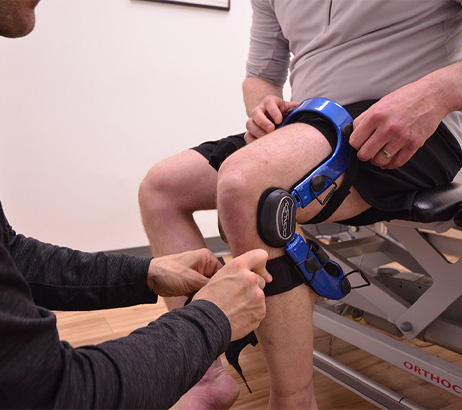
    Gentle exercises can help improve wrist stability and alleviate pain, but it’s important to perform them gradually under the guidance of our therapists at our clinic. Additionally, modifying your daily activities and movements to avoid repetitive strain on the wrist is recommended. Consult with one of our occupational therapists who can provide specific exercises and techniques tailored to your condition. In addition to this, it is important to allow your wrist to rest. To reduce inflammation, you can apply ice and to relax tight muscles, you can apply heat depending on the nature of the pain. Wearing a wrist brace or splint can provide support and limit motion, thus reducing pain.

    Contact Information

    location

    179 Queen St E, Toronto, ON M5A 1S2

    15 Glenforest Rd Toronto, ON M4N 1Z7

    calender

    Mon-Fri: 7AM - 7PM

    Saturday: 9:30AM - 5PM

    Downtown

    North York

    Partner Clinic in Internal Medicine - Beacon Health
    Referral Form

    Book An Appoinment